SS Great Britain: Origin Story
The ship that changed the world started life in a Bristol dockyard where it continues to inspire.
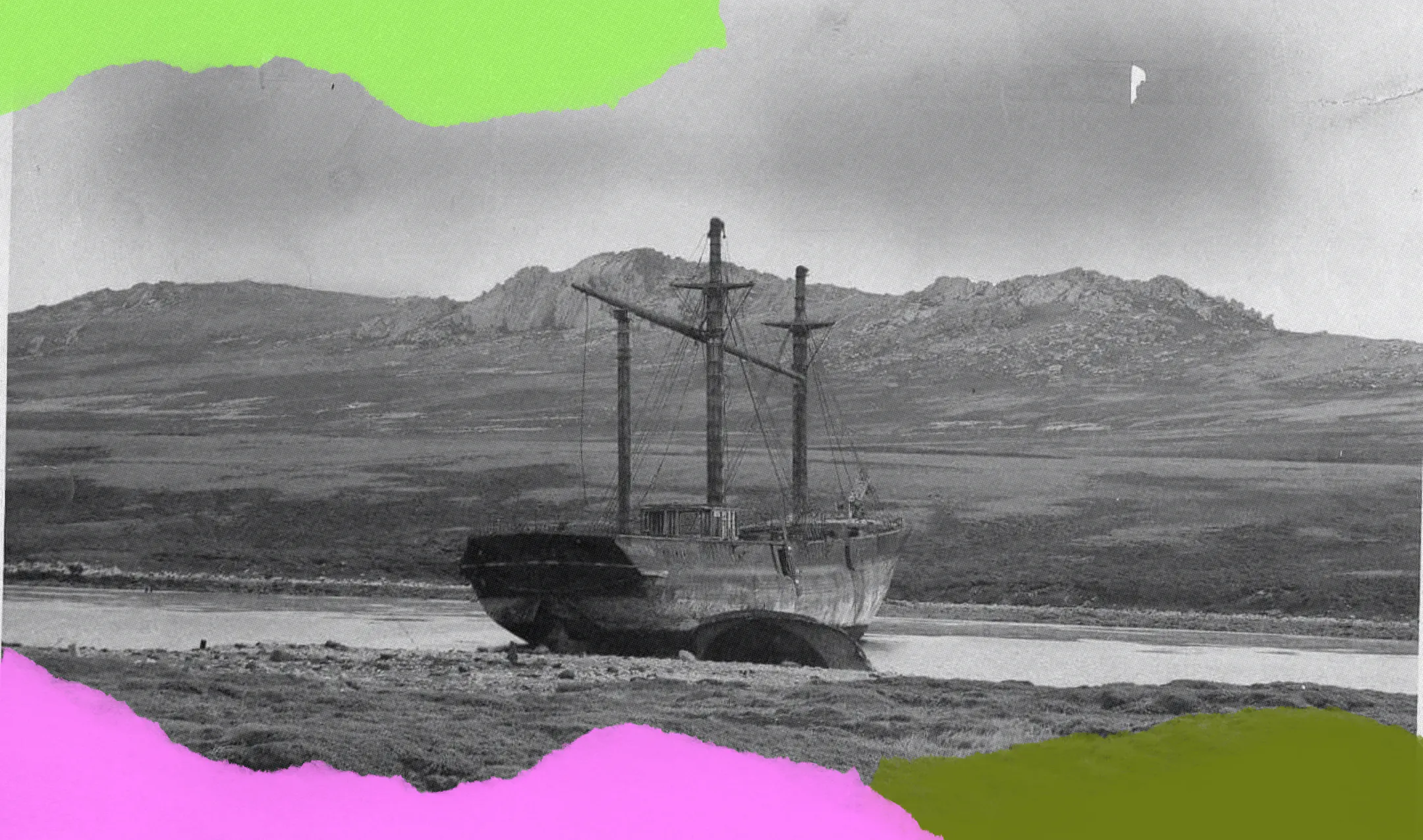
In the 1800s, Bristol began to build new dockyards for the industrial era. In 1820, the Albion drydock was created as the largest in Bristol. It was repeatedly expanded, eventually becoming big enough to build two ocean-going ships at once.
In 1839, the Great Western drydock was created immediately next door, specifically to build the SS Great Britain. This revolutionary vessel was the first ocean-going ship in history to be built from metal, and the first to be moved by a propeller. It was the blueprint for modern ships.
For years, the ingenuity of the Great Britain’s builder, William Patterson, ensured that cutting-edge ships were built in the Great Western drydock. After Patterson left Bristol, the Albion yard regained its status, building large and innovative ships into the 20th century.
Return to Bristol
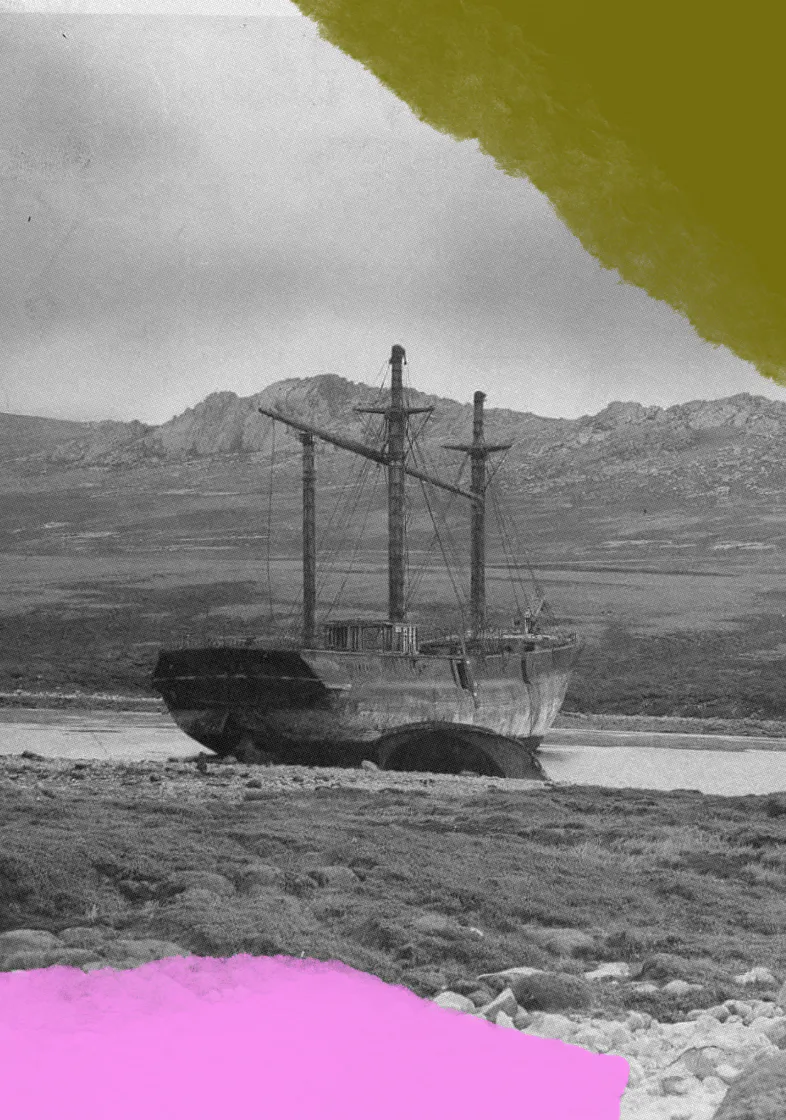
In 1970, the Great Britain was salvaged from the Falkland Islands and returned to the Great Western dockyard, where it was originally created. In the following decades, it has become an icon of both maritime innovation and world class heritage and education work.
Today, alongside the SS Great Britain Experience in the Great Western Dockyard, the Albion dock has returned to work, caring for vessels in Bristol’s harbour. It is the oldest working dry dock in the United Kingdom. We use these dockyards today to create, entertain, sustain and build skills and knowledge, and to keep the story moving for a 21st century world.
Explore this iconic feat of engineering and its remarkable story.